The Blakelys · Book p. 86
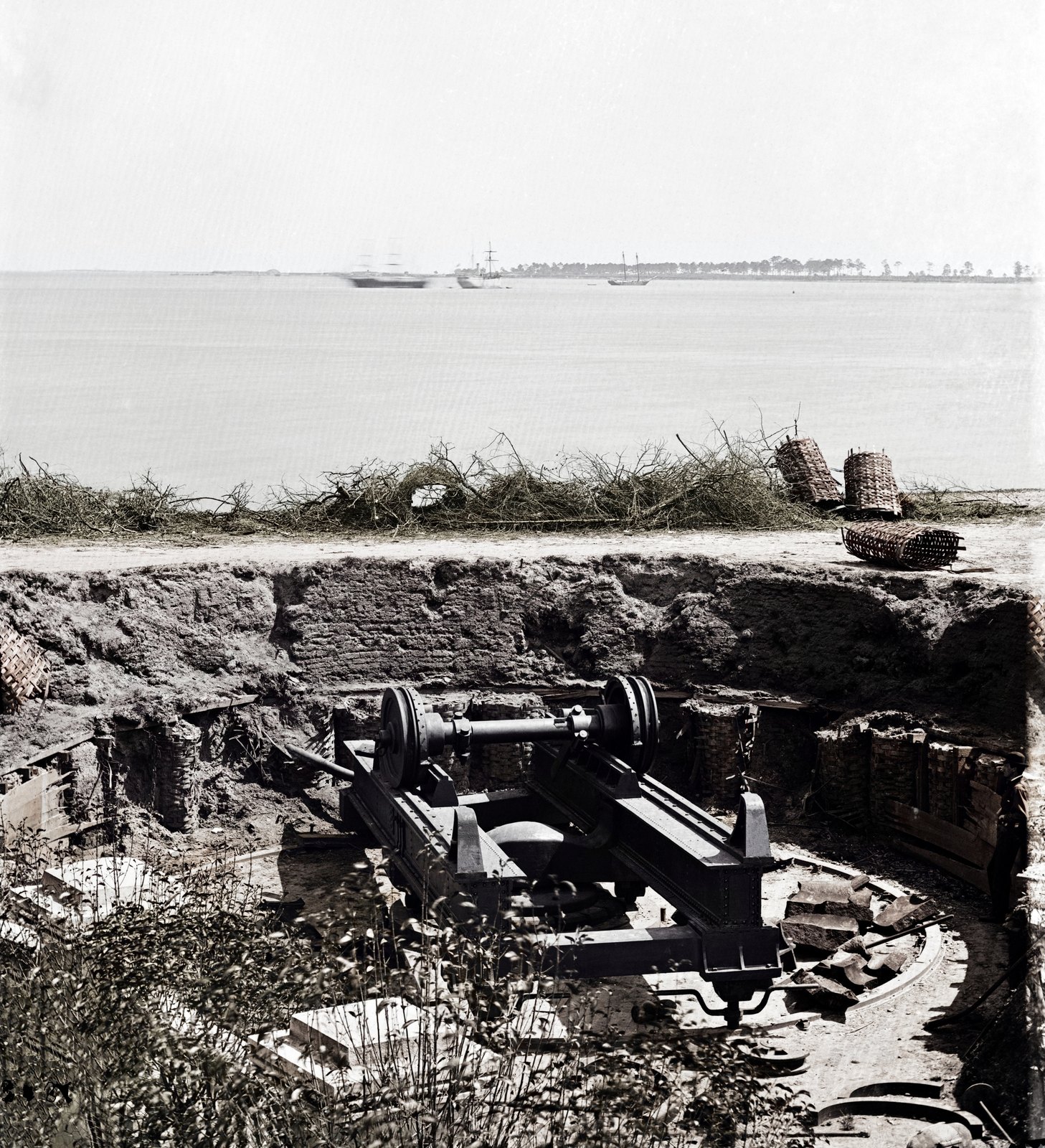
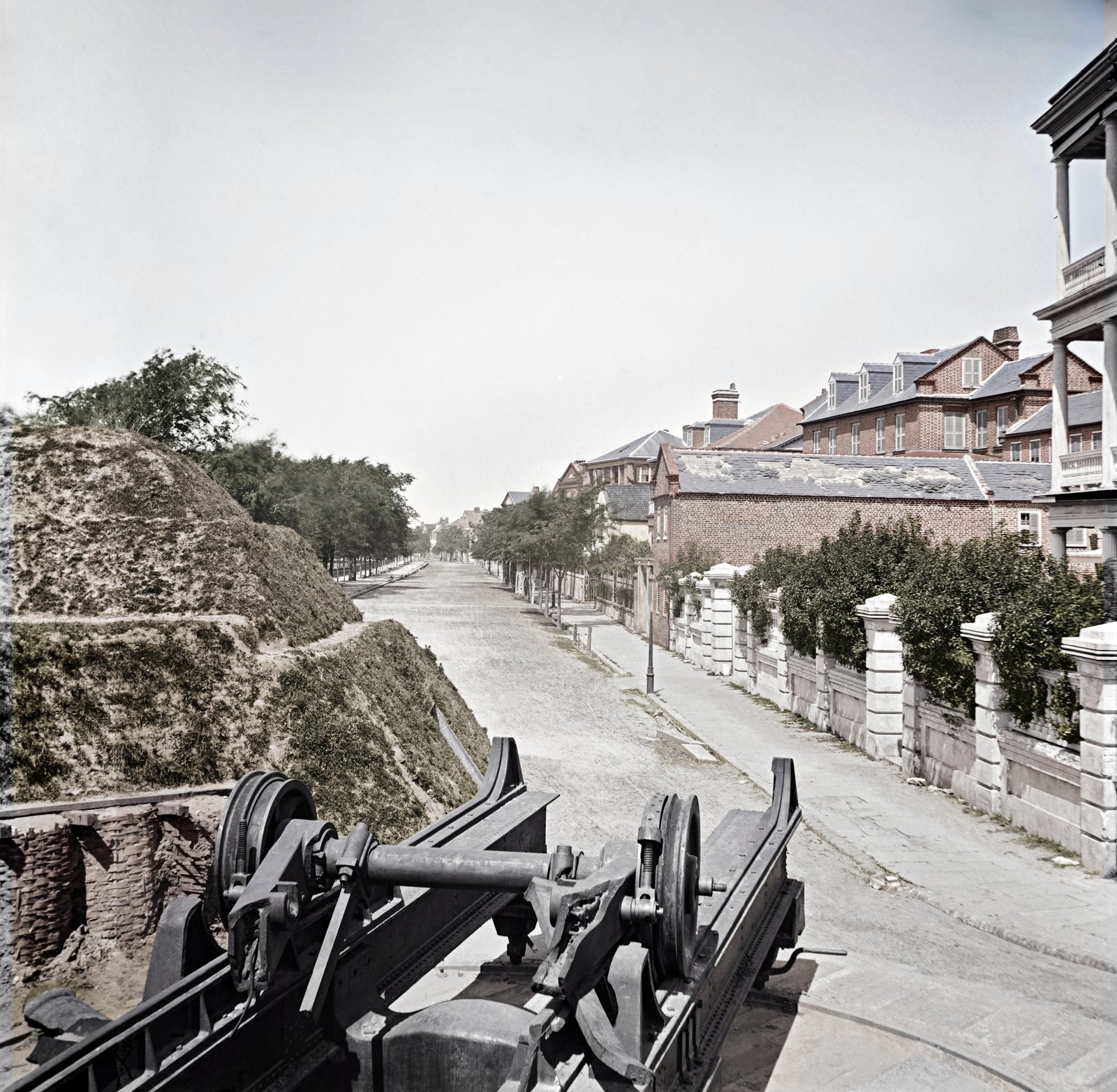
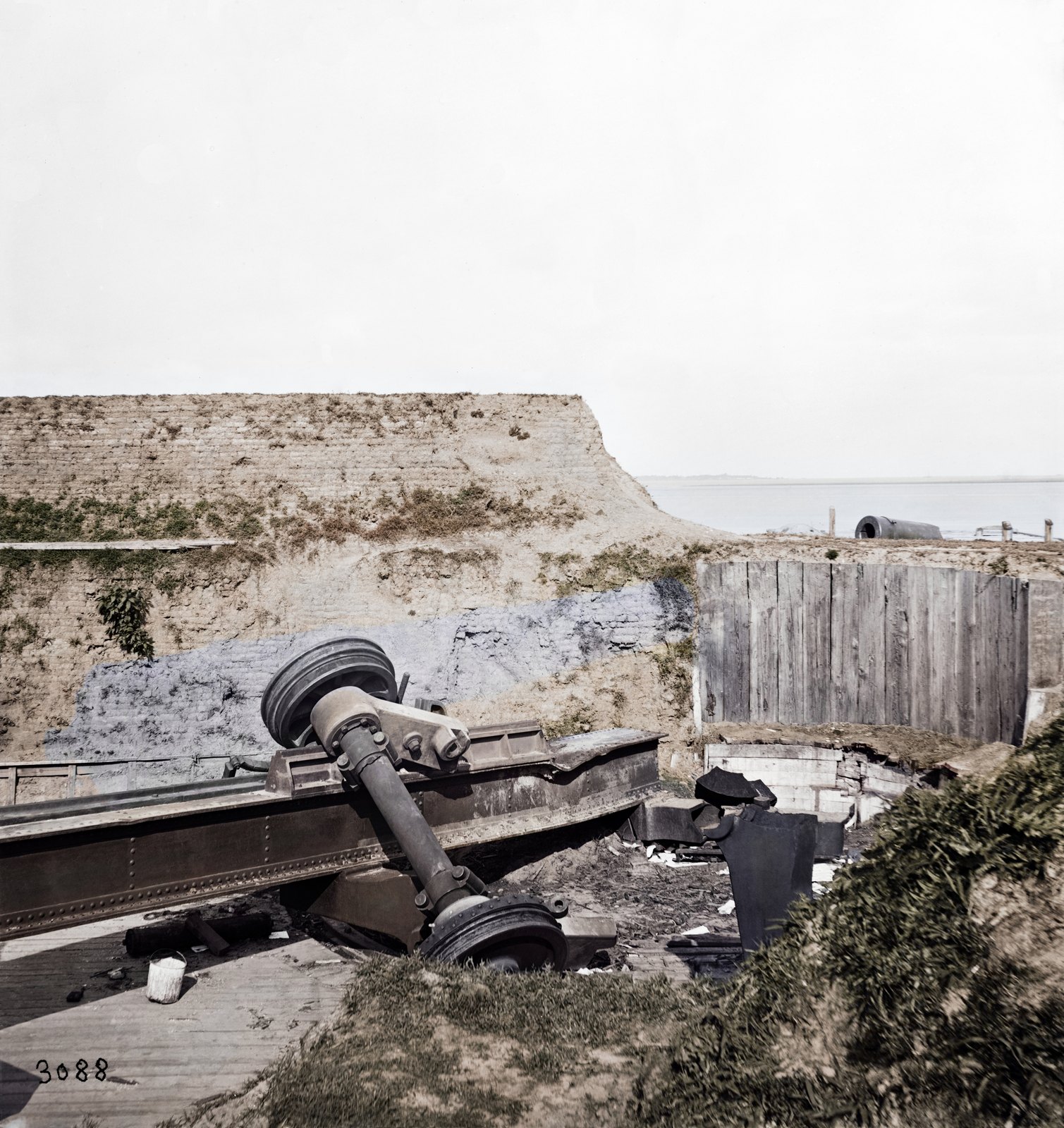
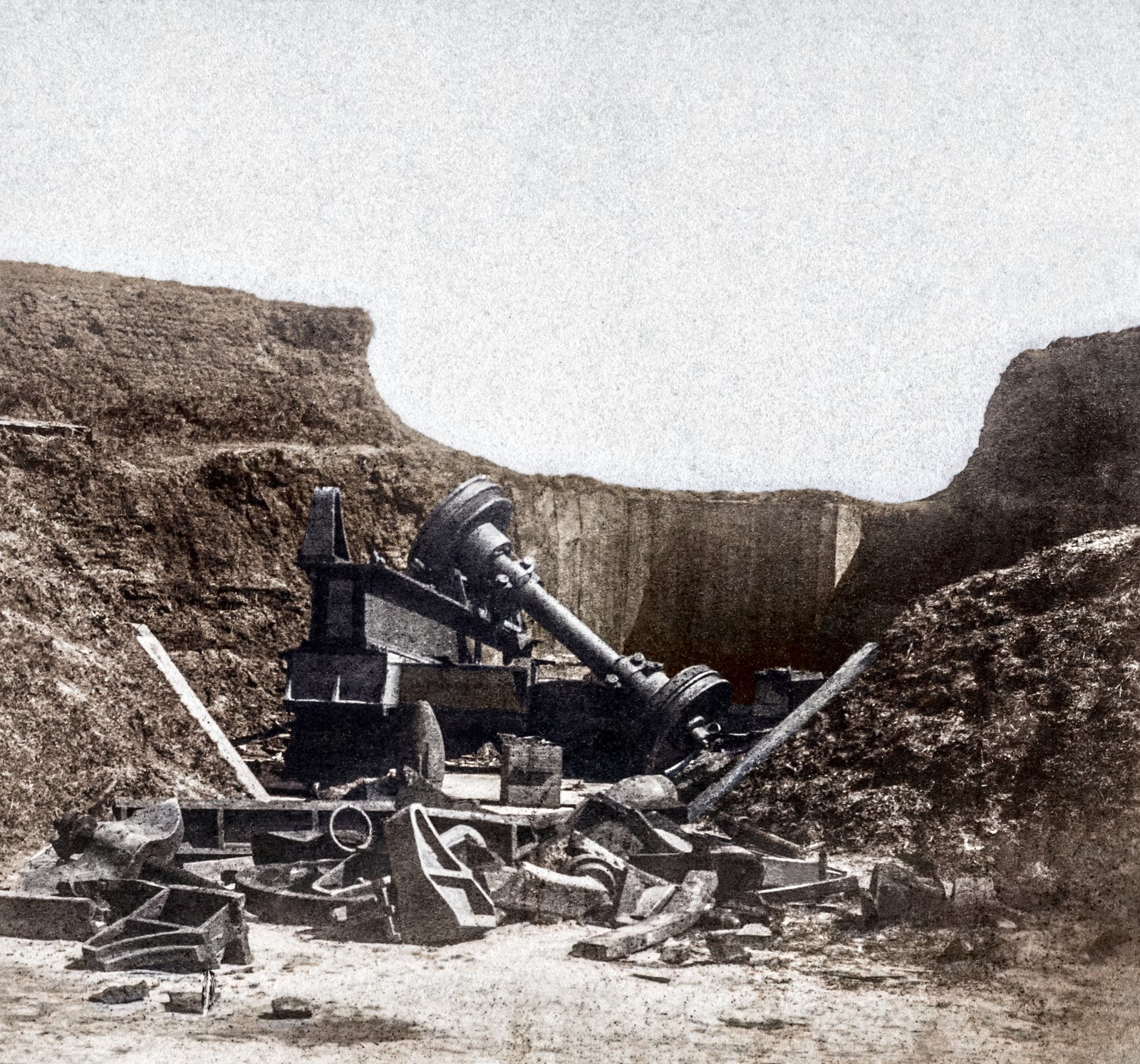
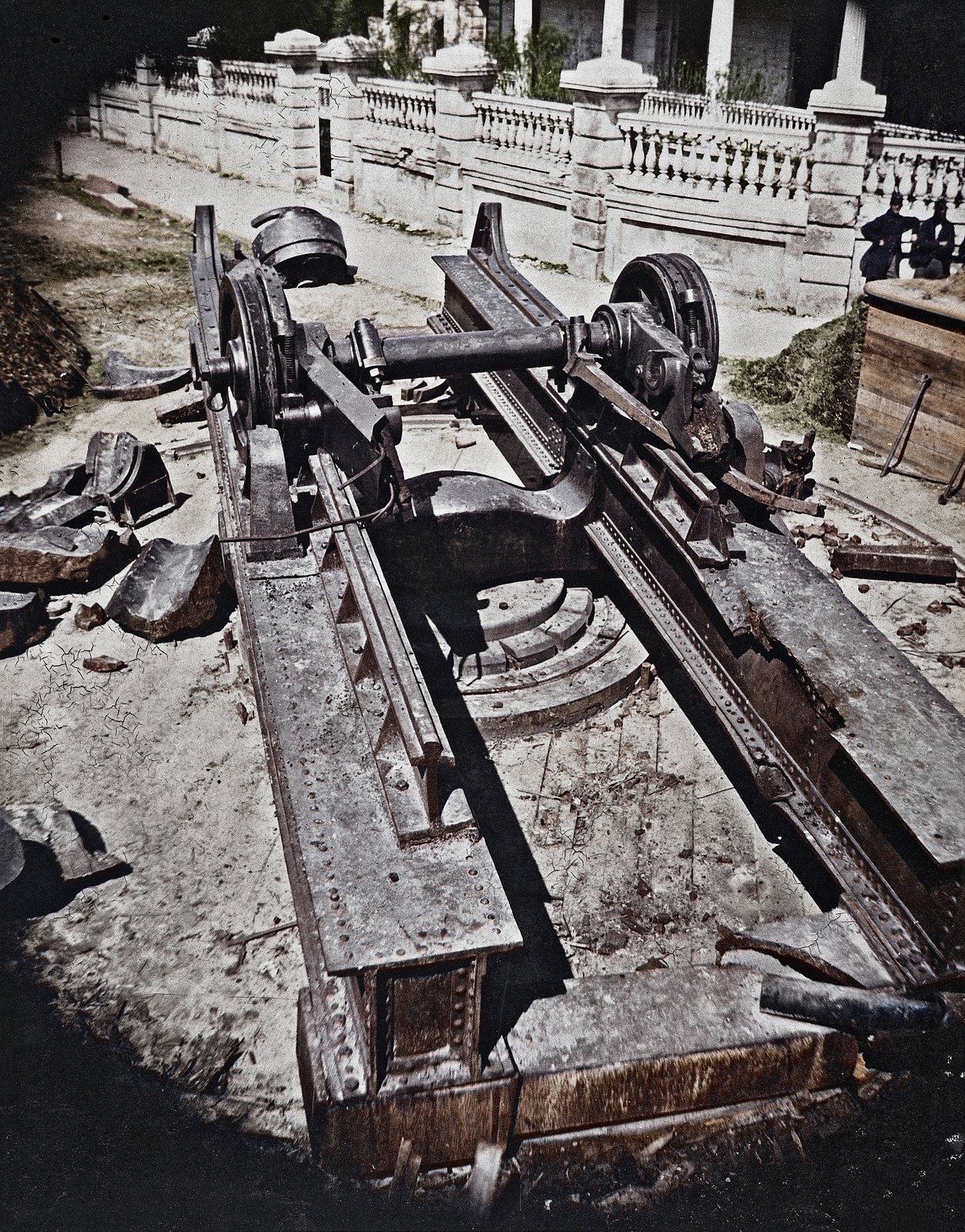
Remains of the “Whopper”
How a twenty-five-ton English rifle reached Charleston, and what the garrison called it.
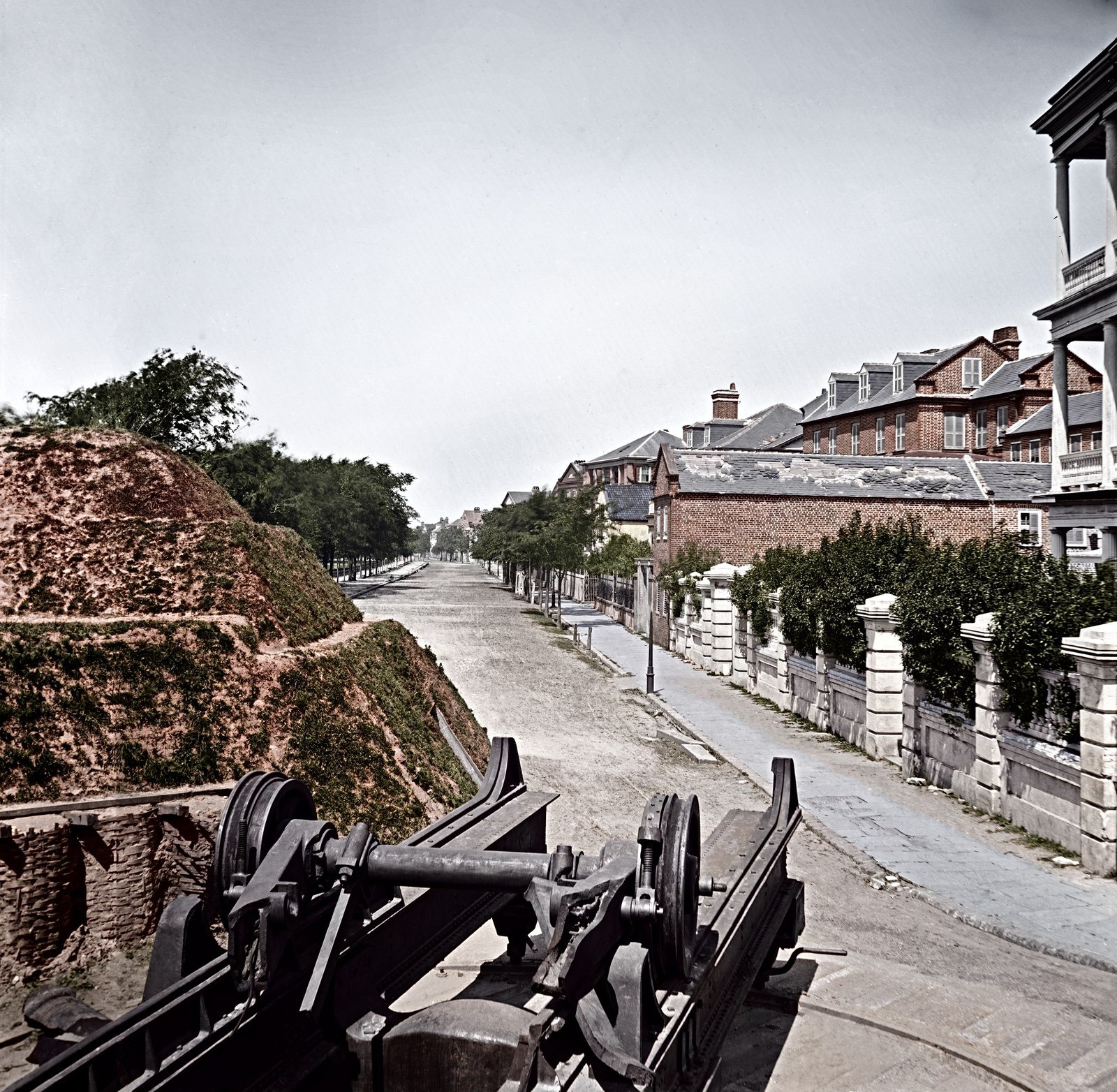
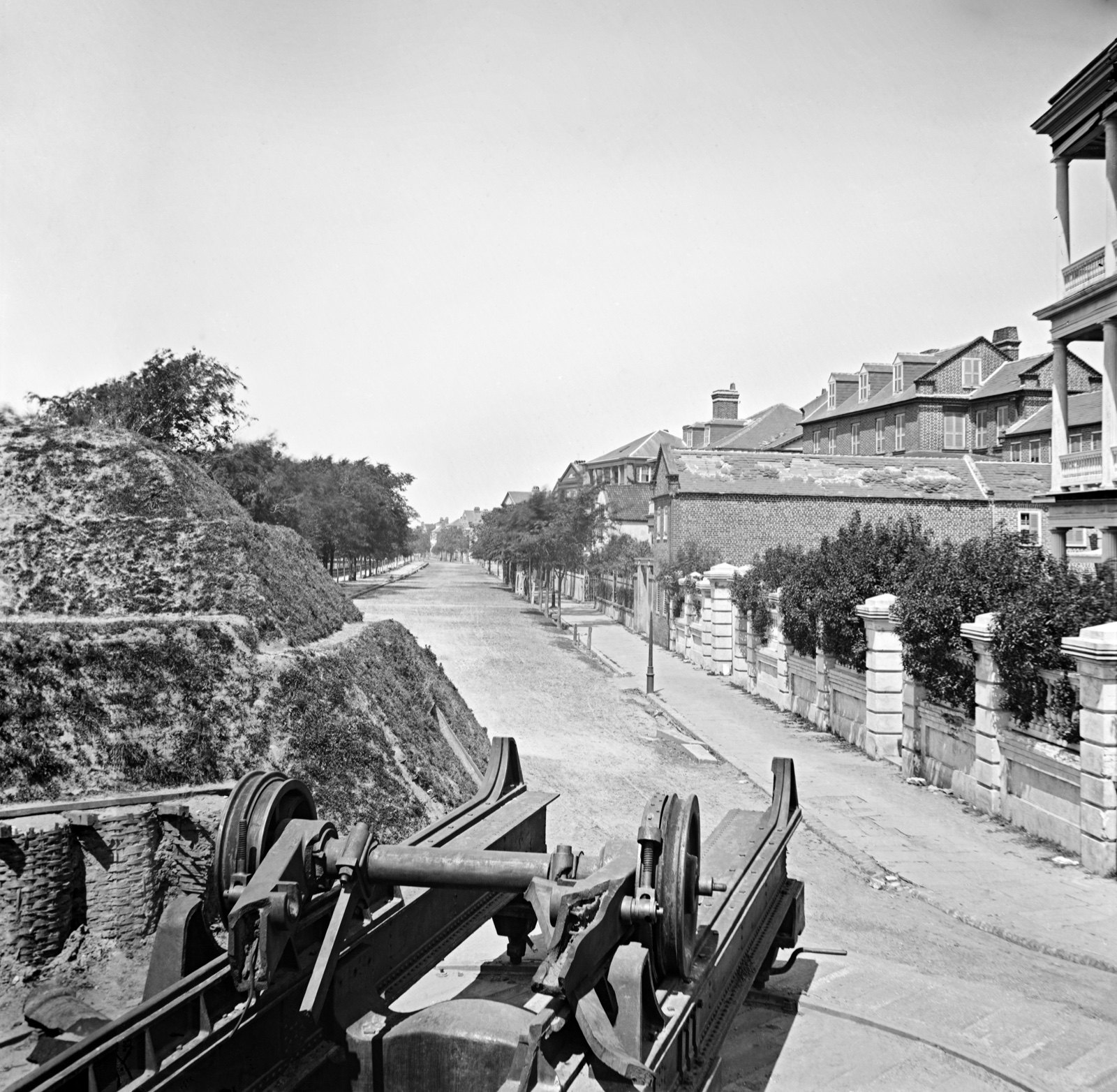
Drag to compareLibrary of Congress
Blakely built guns in several calibers. Two of the 12.75-inch rifles were made for Confederate service, and getting them to Charleston was an undertaking in itself.
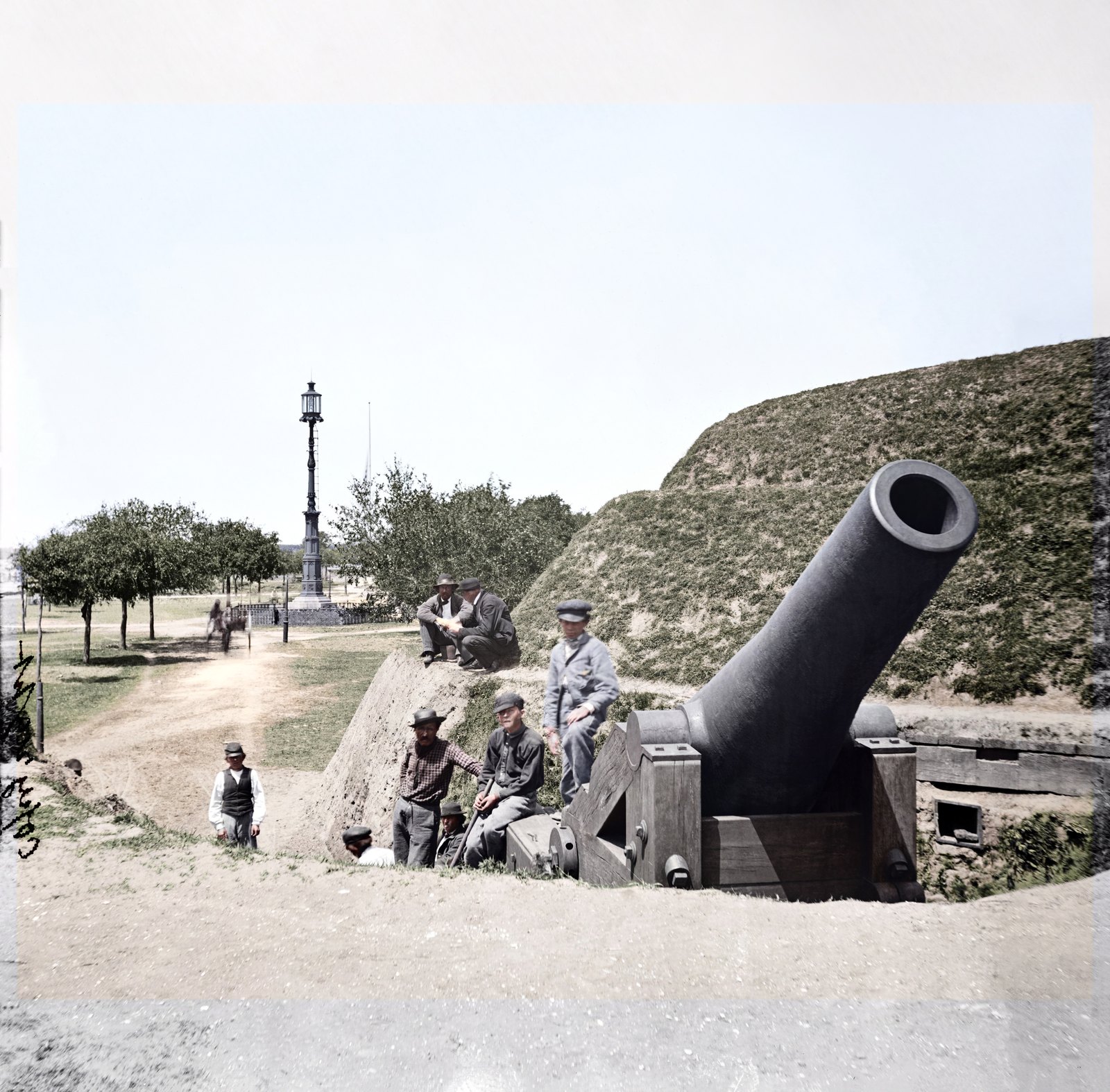
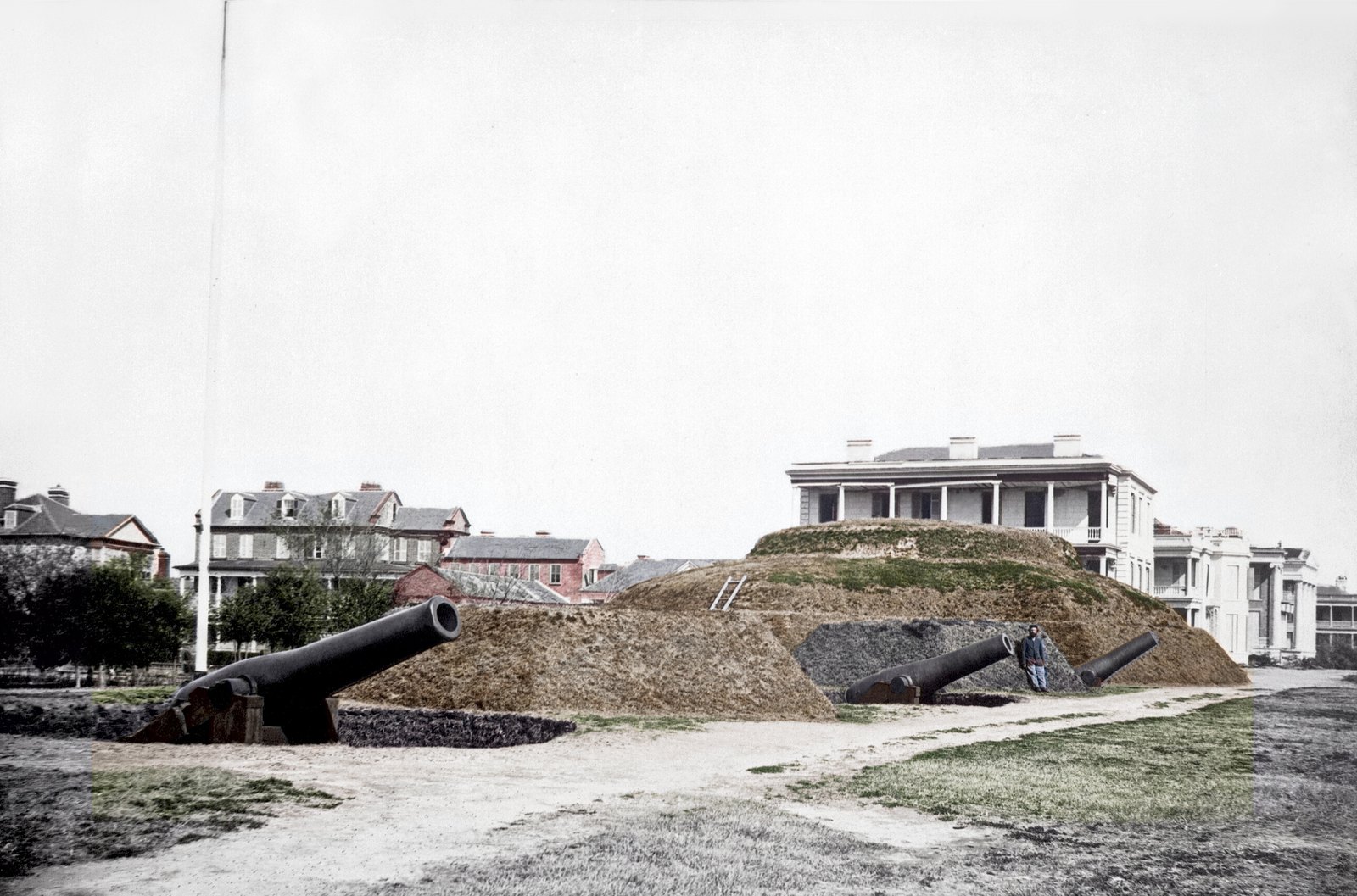
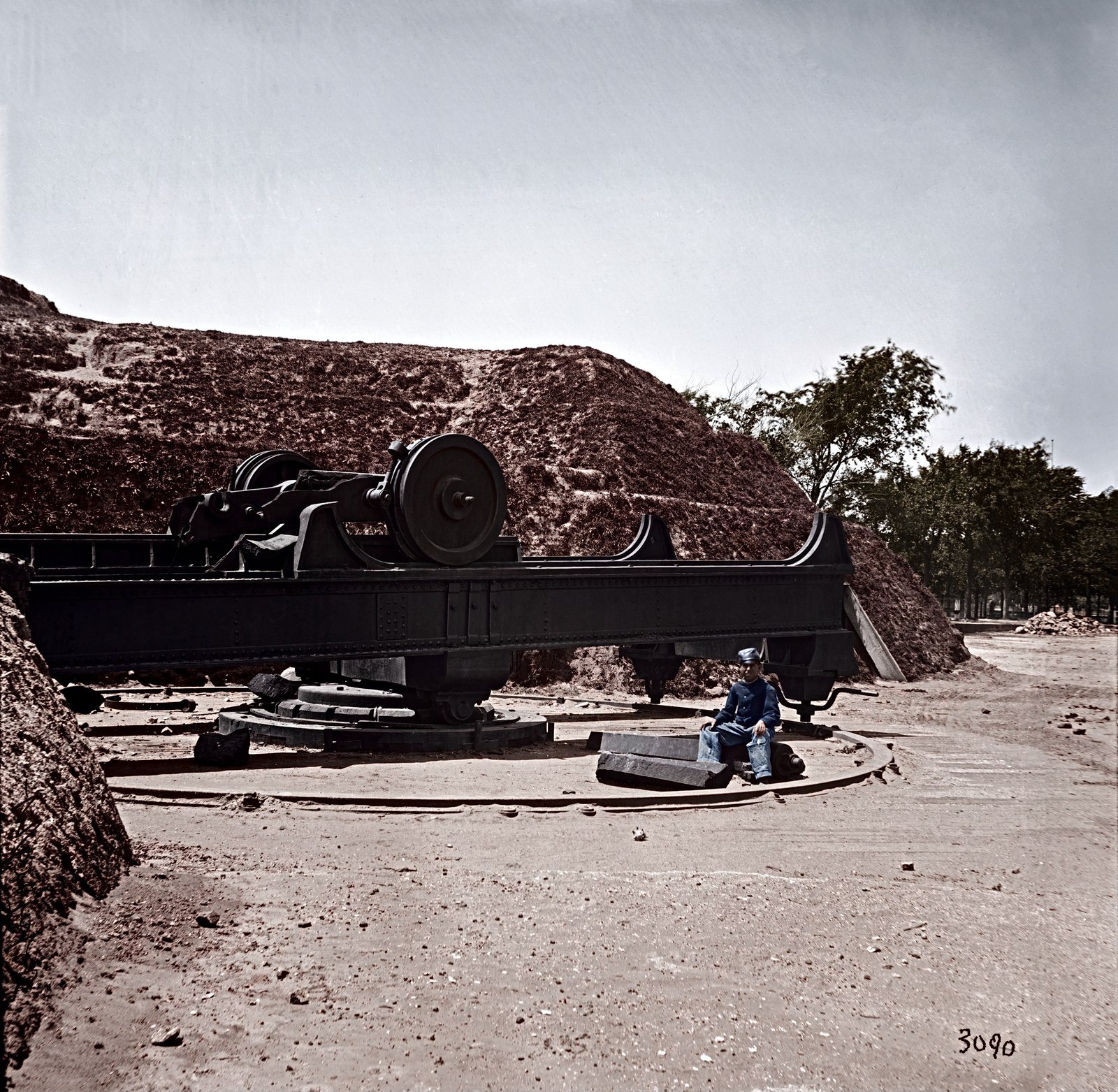
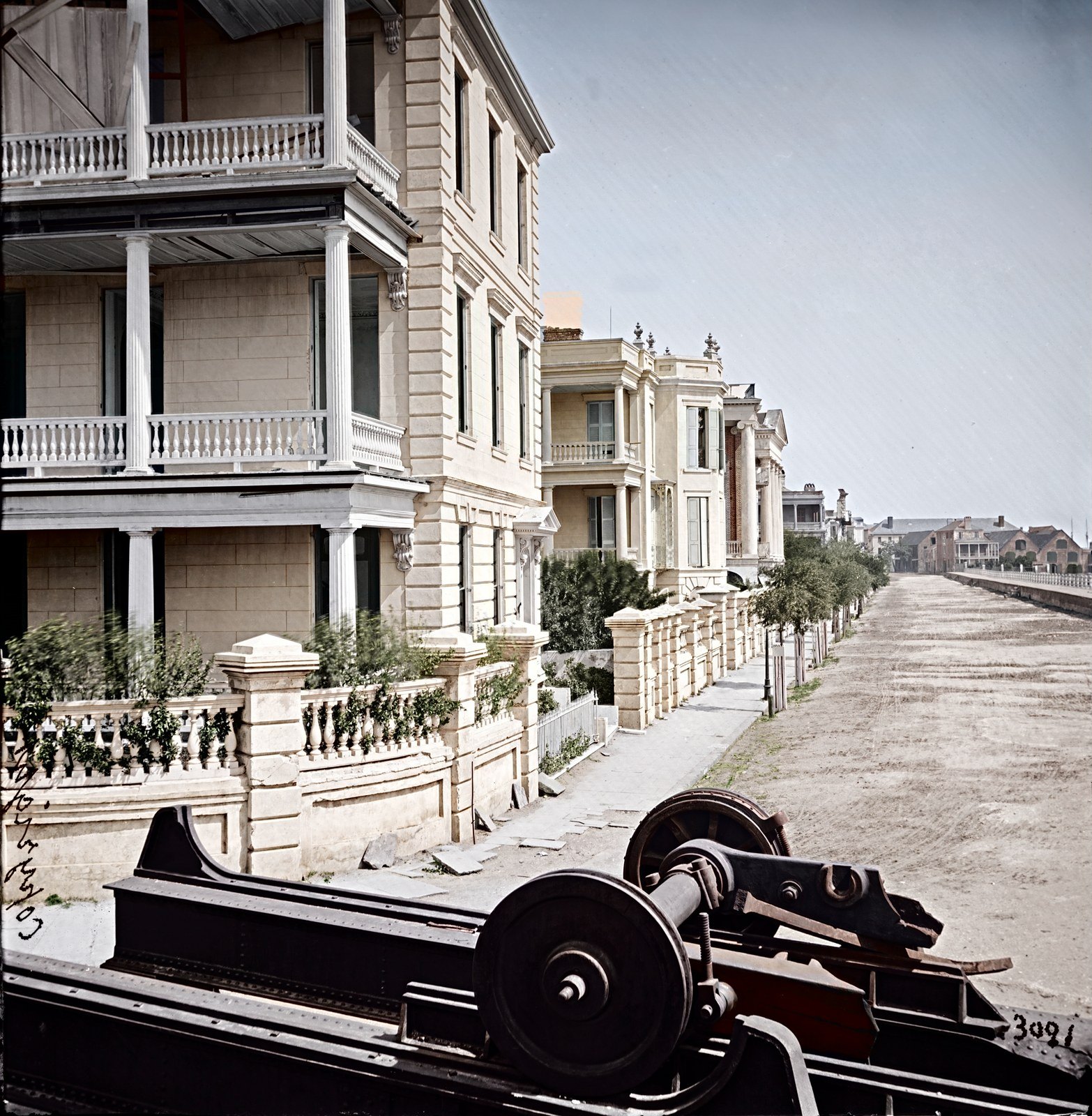
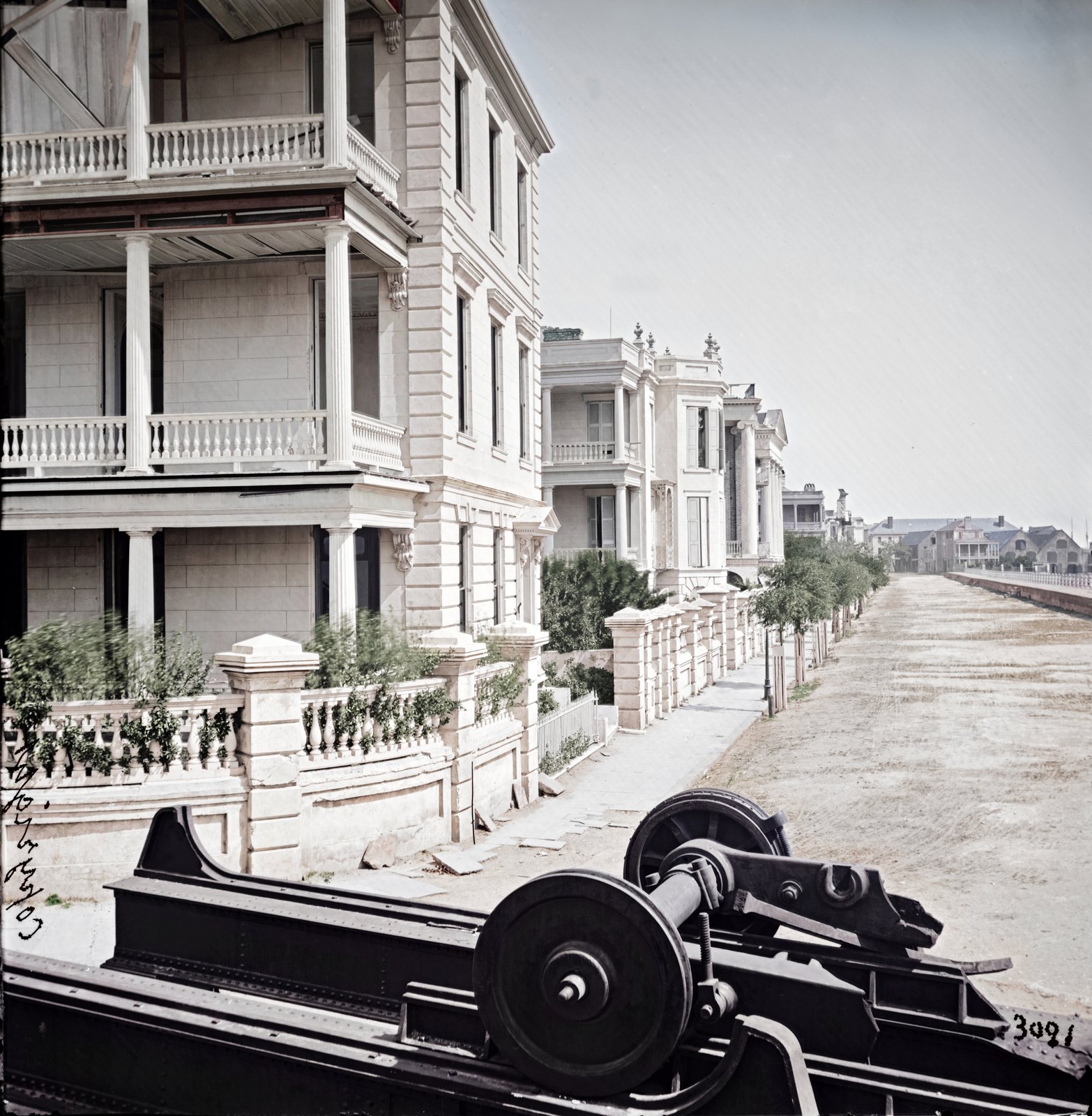
The tubes, carriages and ammunition came through the blockade into Wilmington on August 18, 1863, aboard the steamer Gibraltar, owned by the Charleston firm of Fraser, Trenholm & Co. — the same house whose wharf gave the second gun its name. The carriage for one of them reached Charleston on August 22, carried on seven railroad cars specially adapted to haul the parts. The gun itself followed a few days later and was mounted at Battery Ramsay, at the corner of South Battery and East Battery.
Twenty-five tons of tube, moved by blockade runner and freight car into a city already under bombardment. The first Federal shell had fallen on Charleston on the same day the carriage arrived.
The garrison named it. According to the twenty-year-old Confederate signalman Augustine Smythe, the gun was already being called the “Whopper” by the time it was mounted in early September.
What is left of it is in this photograph. The Confederates destroyed it themselves during the evacuation of February 17–18, 1865.
Also at White Point Garden