Charleston Photographers · Book p. 12
Haas & Peale
Drag to compareLibrary of Congress
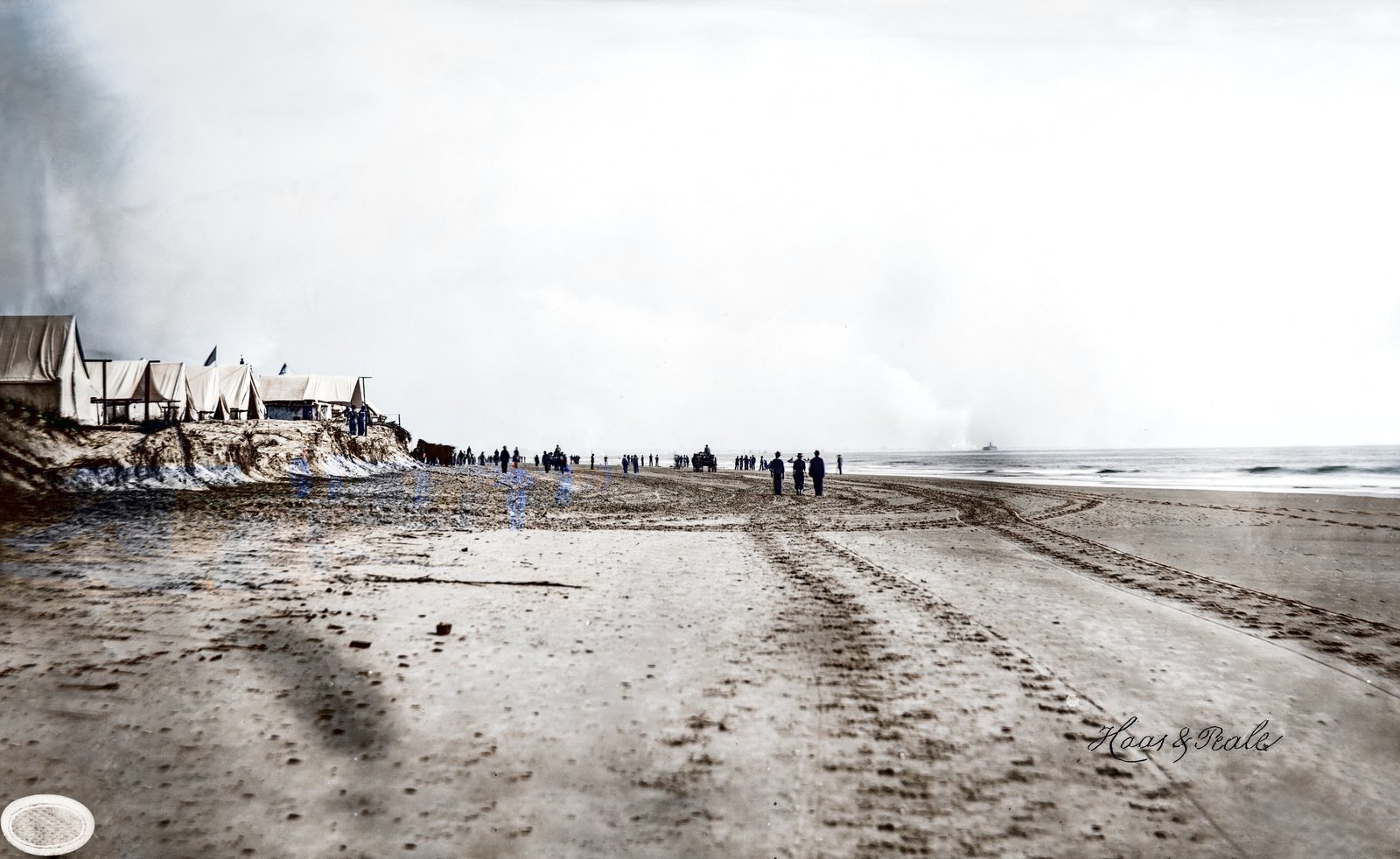
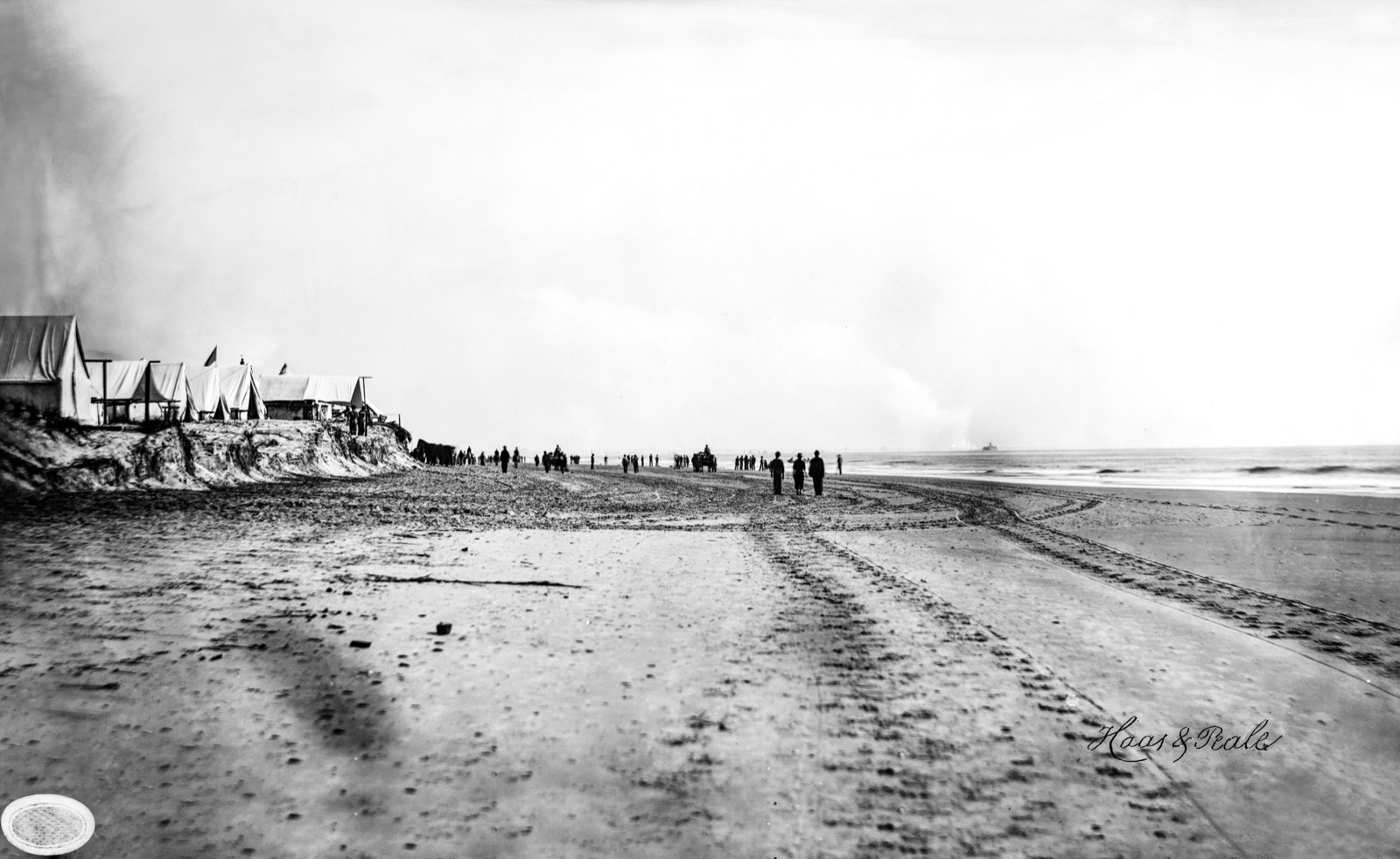
So in American legend, maybe they’re not in the league with Lewis and Clark, Simon and Garfunkel, or Bonnie and Clyde; however, Haas and Peale are prominent among practitioners of the photographic art capturing images of Charleston in the war. Washington Peale, of Philadelphia, had moved to the nation’s capital before the war and like his father was a painter. His partner, Phillip Haas, was born in Germany around 1808. He emigrated to America in 1834, and set up a lithography firm in Washington. There he rendered likenesses of President Martin Van Buren, senators and congressmen. After daguerreotypy was invented, Haas took pictures of Andrew Jackson, John C. Calhoun and other luminaries. Lying about his age (over fifty), he joined the Union army in September 1862, then was hired by the army to take photographs of fortifications and facilities. He teamed up with Peale to establish studios on Morris Island and Hilton Head during 1862–63. They made several dozen images of ships, batteries, and other scenes, such as Fort Sumter. Their claim to photographic fame is the remarkable image taken from Morris Island on the morning of Sept. 8, 1863, showing the USS New Ironsides and several monitors in action, firing on Fort Moultrie. Historian Jack Thomson terms this “the first photographic record of naval ships in battle,” but this distinction must be shared. In the battle of Sept. 8, James Osborn was with George Cook when they photographed ironclads shelling Moultrie from the parapet of Fort Sumter.
This is the caption as printed in 100 Significant Civil War Photographs: Charleston in the War. It has not yet been through this site’s research and fact-checking pass.